
Canyoneering Vampires
They will suck you dry...if you let them.

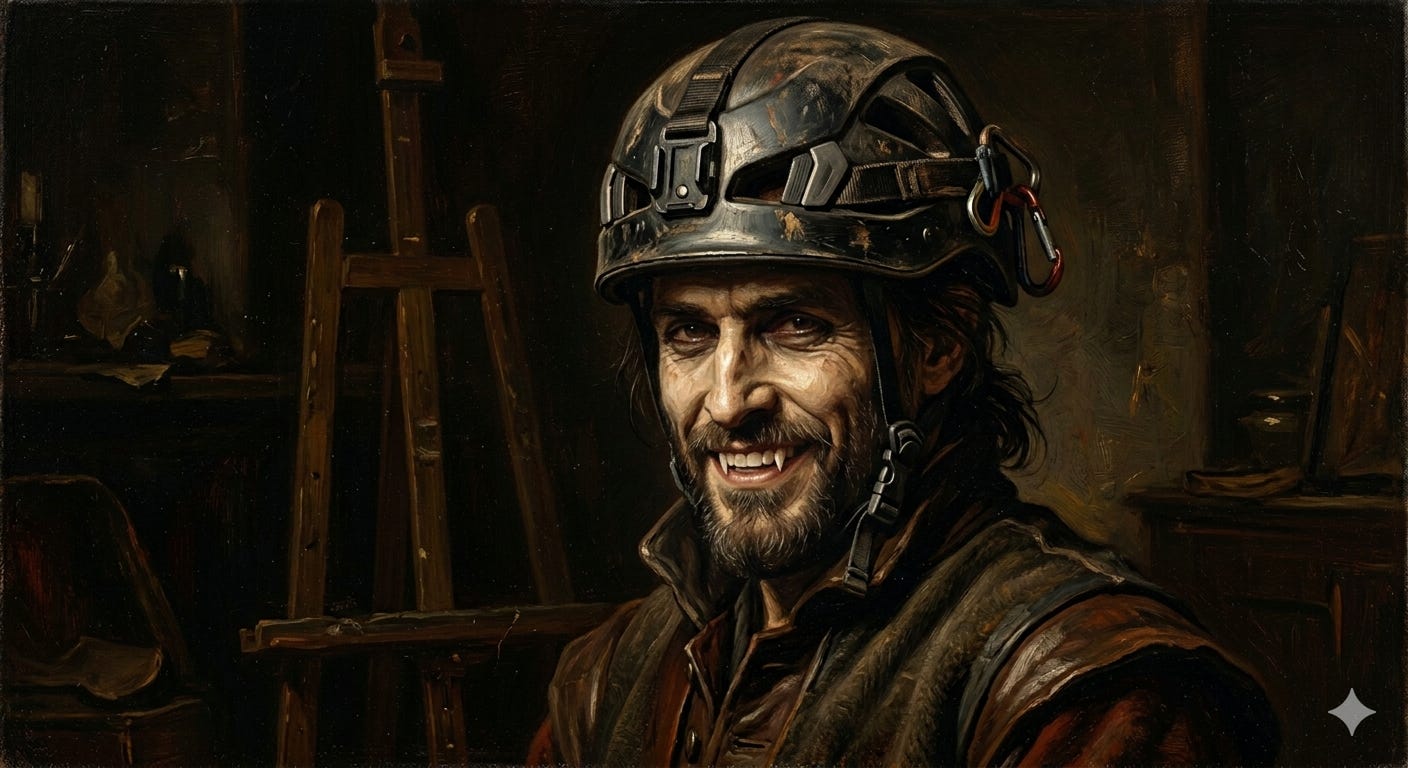
Fellow canyoneers and collaborators Alex Motyka & David Mason from Australia suggested examining a particular community dynamic. Working titles for this article gravitated from “Experience Vampires” to “Recreational Vampires” to “Canyoneering Vampires”. And during conversations, we all realized that is maybe something that transcends geographical locations.
Definition
If you would open a Canyoneering Dictionary and look up “canyoneering vampires” the definition would read something like:
Canyoneering Vampire .- An individual that latches onto a leader or group, and sucks in attention, time, resources, and never reciprocates or offers to give back to the leader, the group, or the community.
During our conversation, we agreed that there are several levels of “vampirism”:
The New Potential Vampire: This is the newb that joins and does not know how they can help. They show up with a small backpack, so they can not carry ropes, marginal gear that results in needing extra leader attention. We all are “new potential vampires” when we start. The trick is how to avoid becoming one.
Forever Passenger Vampire: This is the next level. A newb that decides to graduate to a “forever passenger” and never upgrades pack, gear or joins practices in spite of becoming fully cognizant of what a canyon outing entails: Carrying gear, ropes and working hard at rigging. In some areas this level is known as a “Canyon Princess”.
Learning by Doing Vampire: The individual that tags along with leaders and wants to “learn by doing”, instead of taking formal training. Which is OK if reciprocated with actual help, maybe in the near future they will contribute as co-lead, rigging more, helping more?
Instant Leader Vampire: This is when the answer to the previous question of “helping more?” is: No. The Learning by Doing Vampire, before they learn anything solid, they split and form their own group to lead. The half-ass practices spread like cancer through community.
In Defense of Vampires
A more nuisance examination of this dynamic, accounts for the fact that the Leaders play a part in it. Probably in a similar spectrum as their vampire counterparts: New Leader, Enabler, Forever Enabler...Something akin to a codependent relationship.
The Break
As leader, learn to identify the Forever Vampires early. If this is not what you want as Leader, a Forever Passenger, cut them off. Moving forward, think of yourself as a “Talent Scout” looking for that star of diamond in the rough that will take the next generation forward. They are rare, so if you come across one, invest your time in them, and not in Vampires 🙂
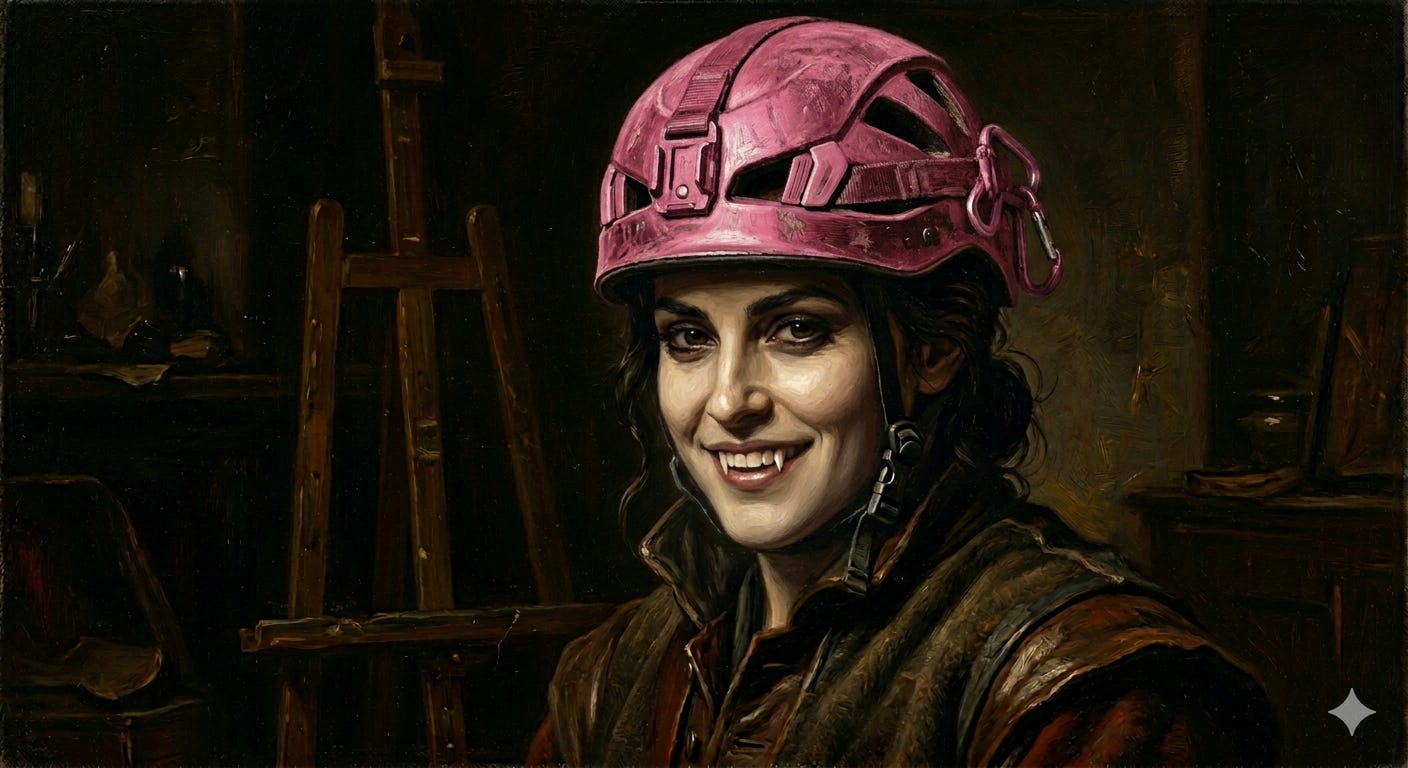
During our conversations and comparing notes, David and Alex shared their frustrations dealing with this community dynamic.
And Alex wanted to emphasize two aspects:
The idea that this may not be a canyoneering exclusive dynamic, and focus on the idea that the vampirism is on experience, as in: Experience Vampires.
And offer a positive outcome and advice to newcomers: How to avoid being seen as an Experience Vampire.
Alex Motyka on: Mentorship
Alex writes:
What Drives Us to Lead and Mentor?
When you look at the folks who step up to lead trips or mentor newer canyoners, it’s rarely about ego. It takes a lot of time, energy, and patience to pass on the craft. So, why do they do it? It usually comes down to a few core motivations:
Passing on the magic
There’s a unique joy in watching someone experience a canyon for the first time. Mentors do it to relive that initial spark—seeing a beginner step off the grid and into a spectacular, hidden world.Safety through shared knowledge
In an environment where skills equal survival, mentoring is mutual protection. By upskilling newer folks, leaders build self-sufficient teams. Ultimately, a competent partner is the best safety net you can have.Paying it forward
Nobody becomes an expert alone. Every veteran canyoner stands on the shoulders of whoever taught them. Leading is a way to honor the community, keep the sport alive, and return the favor.Deepening personal mastery
Knowing how to do something is different from knowing how to teach it. Breaking down complex rigging or hydrology forces mentors to dissect their own knowledge, sharpening their own judgment in the process.Building friendships
Canyoning thrives on trust and shared hardship. Mentoring isn’t just about teaching knots; it’s a fast track to building tight friendships and bonding deeply over a shared passion.Building a network of peers
You’re only as safe as your weakest team member. In high-commitment canyons, leaders want to expand their circle. Mentoring beginners today creates the autonomous expedition partners needed for bigger objectives tomorrow.Shaping the sport’s evolution
Whether it’s introducing modern rigging philosophies or establishing ethical norms around bolting, mentoring lets veterans influence how the local scene evolves, leaving a lasting, positive footprint on the community.
The unwritten agreement
Within the outdoor community, especially in noncommercial contexts, there’s an unwritten expectation of reciprocity. If you start out benefiting from someone else’s time, patience, and mentorship, the understanding is that you’ll eventually give back as your skills grow. This doesn’t just mean one day paying it forward to the next generation of beginners. It means stepping up to support, rig, and contribute to the team, and maybe even inviting the very people who invested in you along on your own future adventures.
But what happens if you break the agreement? You run the risk of being seen as an “Experience Vampire”.
Alex Motyka on: Experience Vampires
Alex sees the “vampirism” dynamic in a wider context: Experience Vampires:
Experience Vampire - An individual that latches onto a leader or group, and sucks in attention, time, resources, and never reciprocates or offers to give back to the leader, the group, or the community.
Alex Motyka on: The impact of experience vampires
Burnout and attrition - Constantly dealing with one-way relationships drains leaders and mentors, eventually causing them to step back from leading or quit the community entirely.
Stifled community growth - When leaders get burned out by vampires, they stop taking out beginners altogether, which closes the door for genuine, appreciative new participants.
Erosion of group trust - A single self-centered participant shifts the dynamic from a cohesive, cooperative team to a transactional guide-and-client relationship, ruining the group vibe.
Increased safety risks - Vampires consume an excessive amount of the leader’s mental bandwidth, leaving less energy for critical situational awareness and objective risk management.
Skewed expectations of the sport - Allowing this behavior creates a toxic precedent, teaching newer participants that mentorship is a free entitlement rather than a hard-earned privilege.
Alex Motyka on: How to avoid being seen as an Experience Vampire
Nobody should want to be known as an “experience vampire”. If you’ve been lucky enough to find mentors, here is how to ensure you’re a valuable addition to the team and not a drain on it:
Contribute where you can - Start small by carrying the heavy ropes, offering to drive, or packing great snacks. As your skills grow, step up and actively contribute to the rigging, logistics, and teamwork.
Get your own gear - Don’t rely on others to supply everything. Borrowing gear is normal early on, but turning up without your own basic personal kit (harness, helmet, proper shoes) is a major red flag.
Show up prepared - Do your homework before the trip. Review the topo, check the weather, and study the route. Showing up blind forces the leader to carry the entire mental load.
Protect the leader’s headspace - Leading takes a ton of mental energy. Don’t treat your leader like a personal tour guide. Stay alert, manage your own comfort, and don’t demand constant reassurance.
Be hungry - Show you want to learn. No one knows everything at the start and enthusiasm for learning wins major brownie points.
Be coachable - Vampires often take advice for granted or get defensive. When a mentor corrects your rigging or technique, receive it with humility. Showing you want to improve makes their time feel well-spent.
Share the passion - Keep the stoke alive. Show genuine appreciation for the effort it takes to run a trip. Being reliable, positive, and enthusiastic is a massive form of currency.
Share the beta and knowledge - Don’t hoard info. Pass on new tips, and if you notice changing canyon conditions, update community platforms like RopeWiki.
Share the adventures - When you start organizing your own trips, extend the invite to the people who taught you. Don’t just take the free knowledge, split off, and form an exclusionary group.
Pay it forward - When you’ve amassed enough skills, knowledge, resources and experience step up to mentor the next generation of canyoner.
Q: How do you know then you are ready to lead?
A: Mature communities develop a formal or informal mentorship structure. Sometimes with formal or informal assessments.
Thanks!
Thanks to David and Alex for suggesting this important topic.